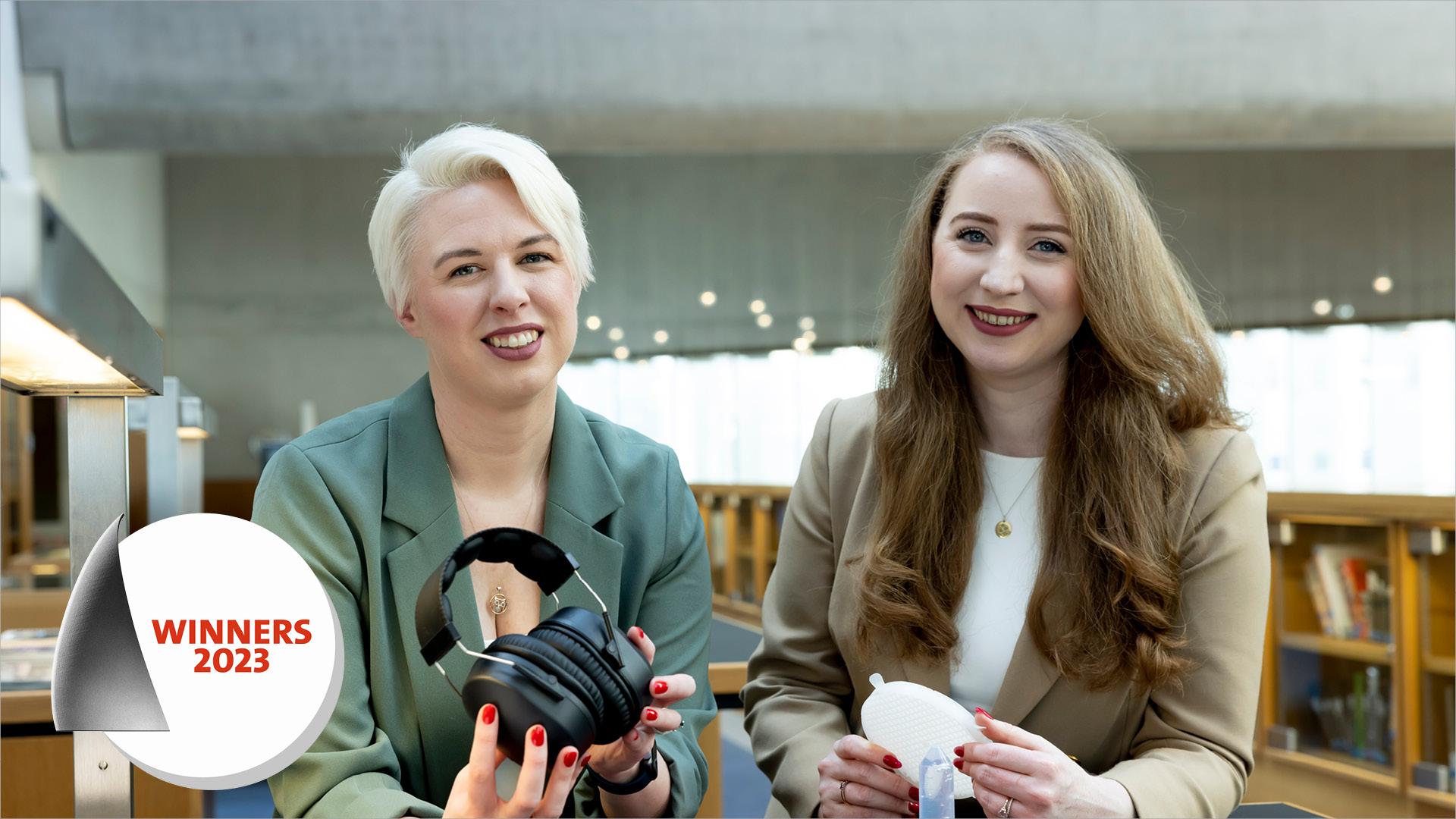
Rhona Togher and Eimear O’Carroll are Irish physicists who have developed a composite material to reduce noise. The material is thin, lightweight and cost-effective, making it suitable for applications ranging from aerospace to automotive.
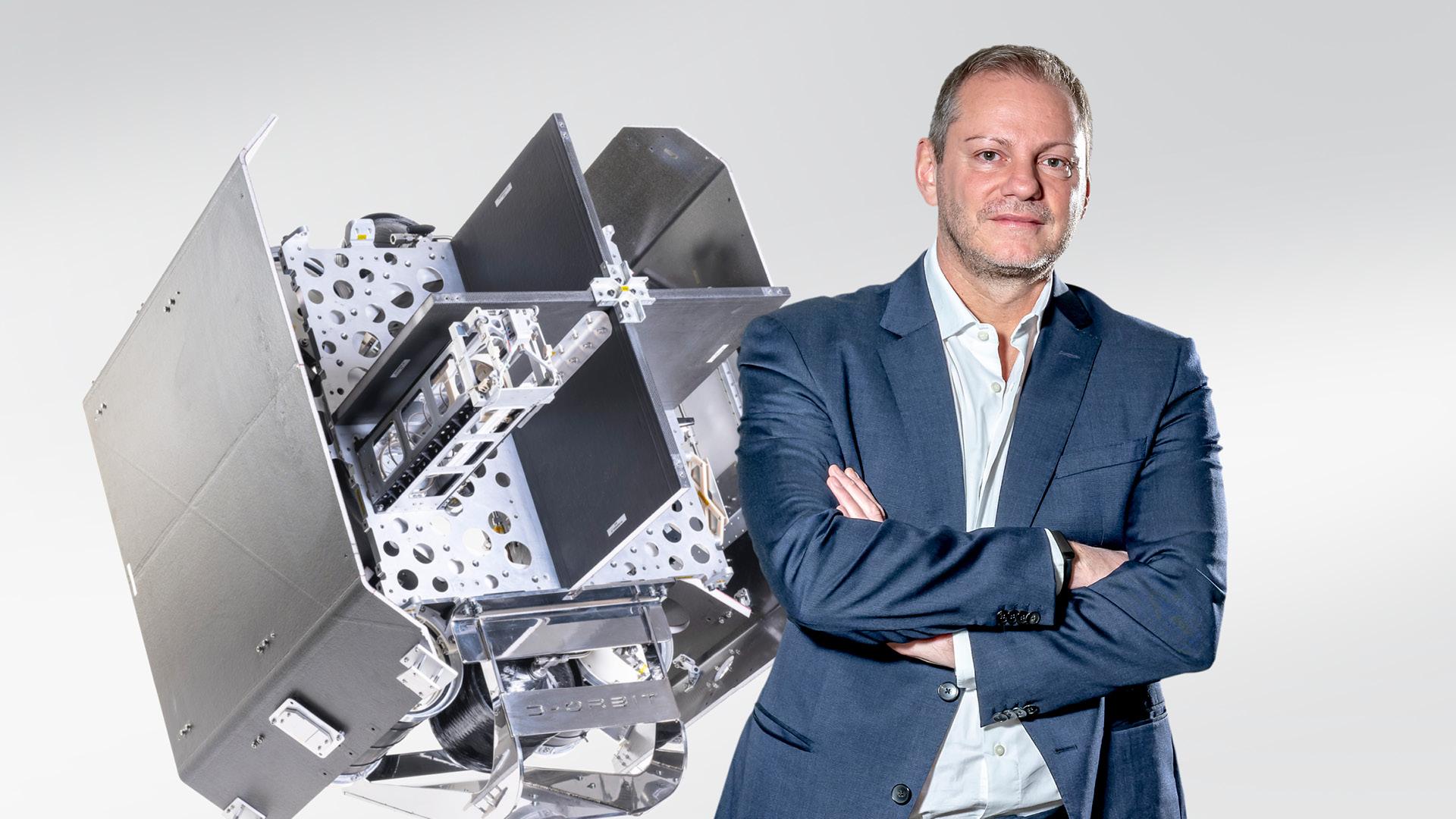
Luca Rossettini, the founder of D-Orbit, has developed an autonomous system to safely remove old or broken satellites, commonly known as "space garbage," from Earth's orbit.
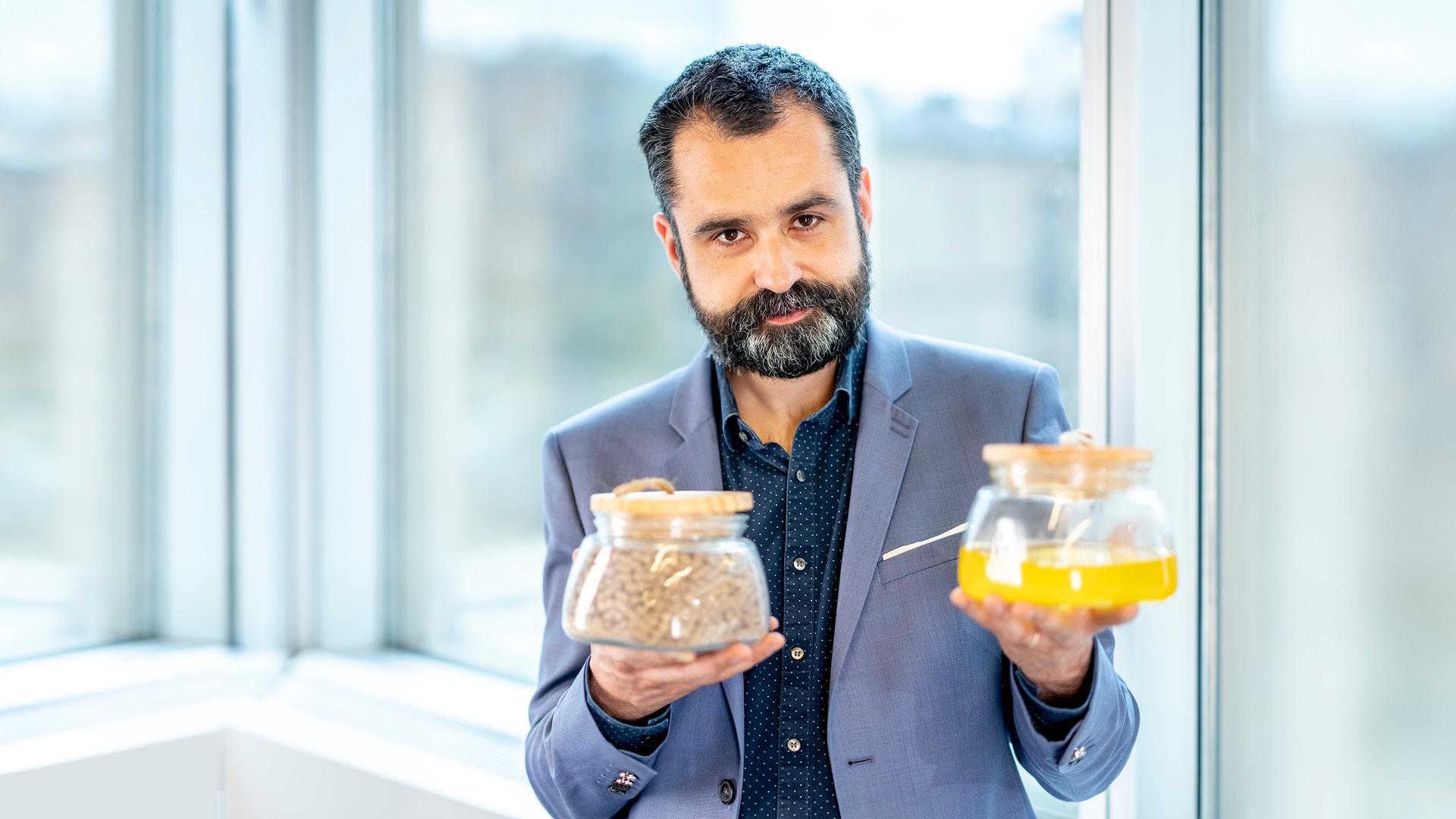
Antoine Hubert is a French biochemist noted for his work in creating sustainable by-products from insects. He led the team which has developed a new method of farming insects to produce food for plants, animals, pets and eventually humans.
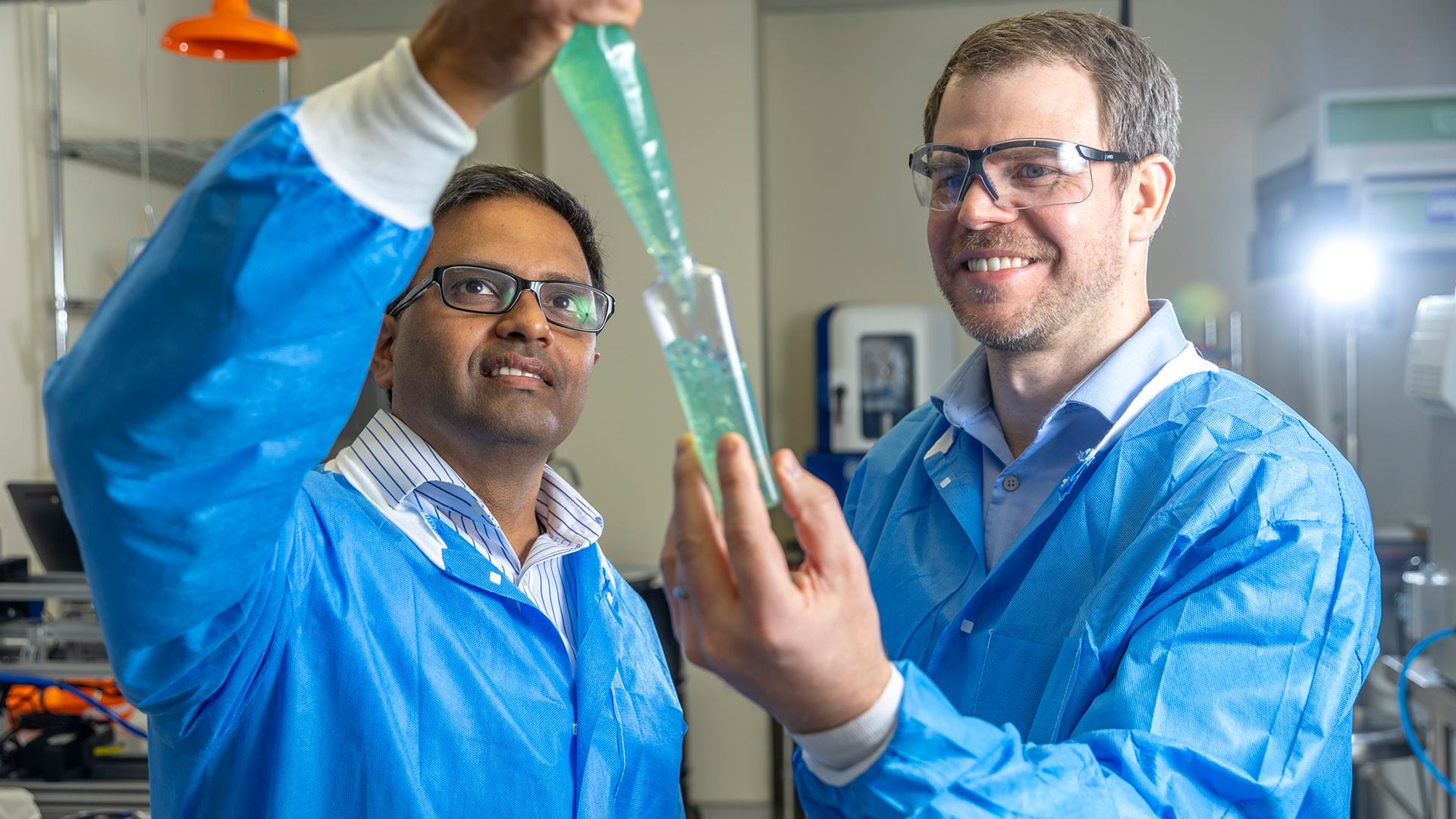
Mechanical engineers Kripa Varanasi and David Smith led the team that has invented frictionless coatings that prevent viscous substances from sticking to their surfaces, maximising product use and eliminating waste.
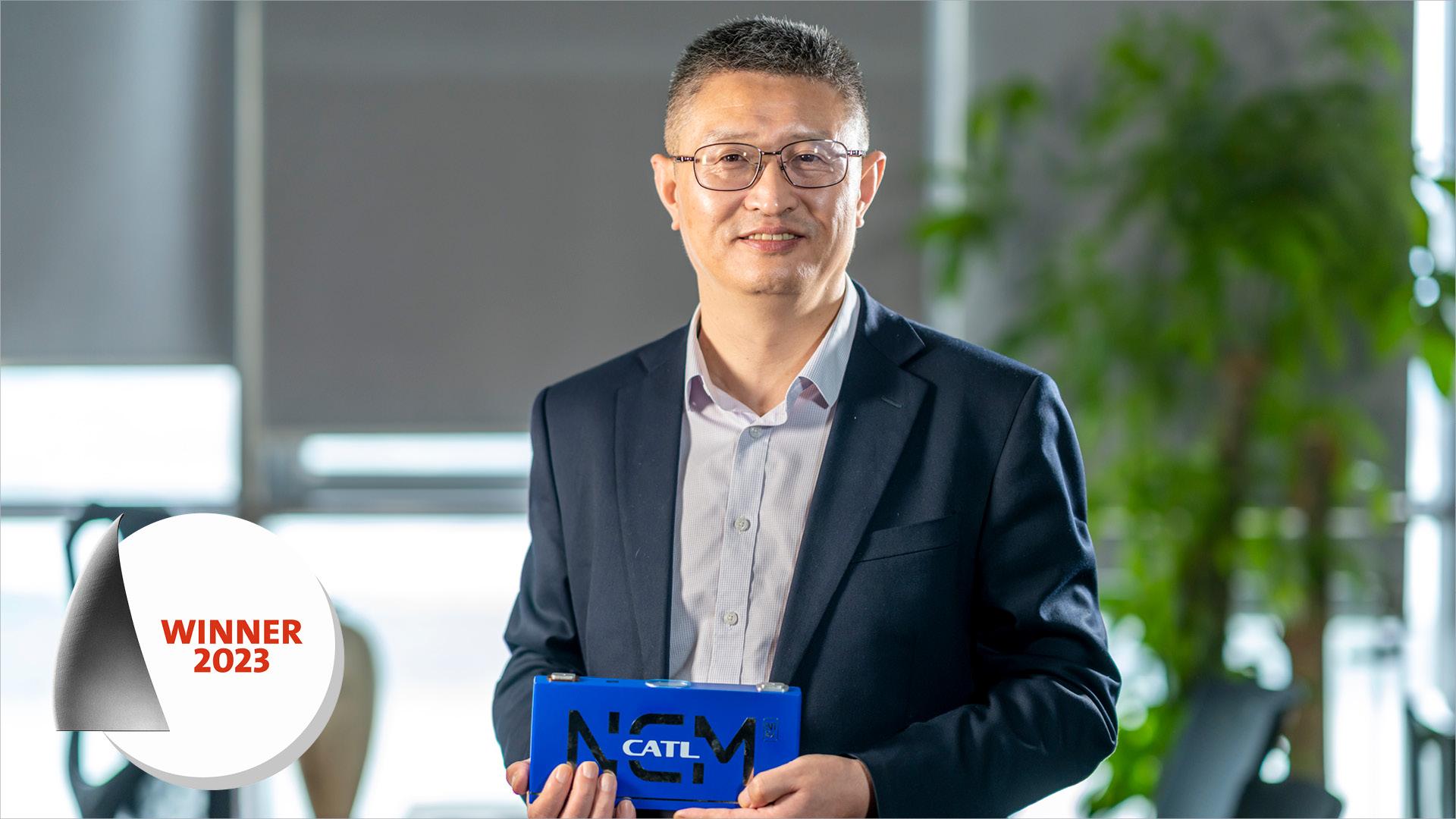
Kai Wu and his team have pioneered a series of features to improve the safety and performance of Li-ion batteries, helping the shift to cleaner motoring.
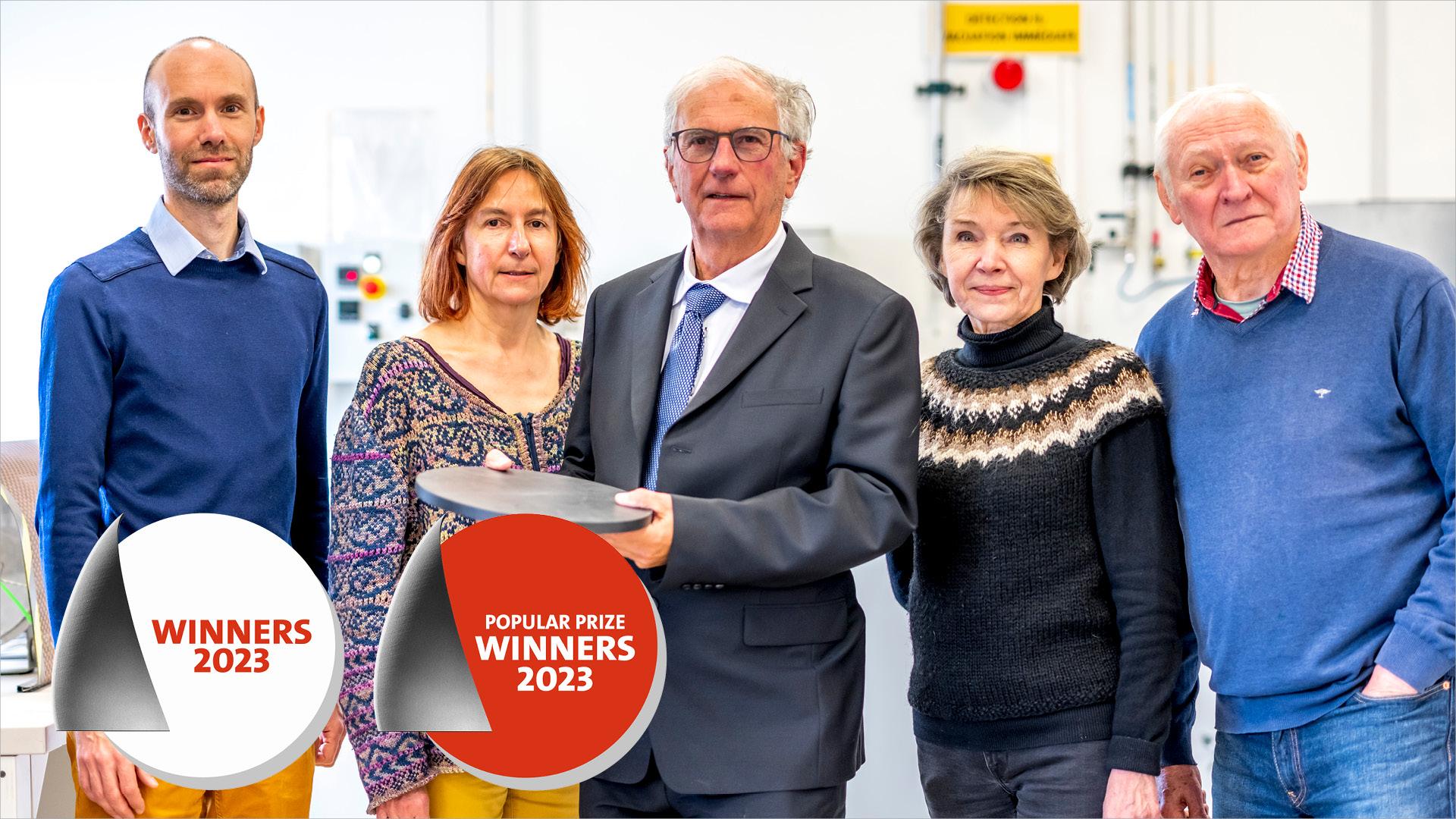
Patricia de Rango, Daniel Fruchart, Albin Chaise, Michel Jehan and Nataliya Skryabina combined their expertise and interests to develop a method to store hydrogen more safely and sustainably with less energy.
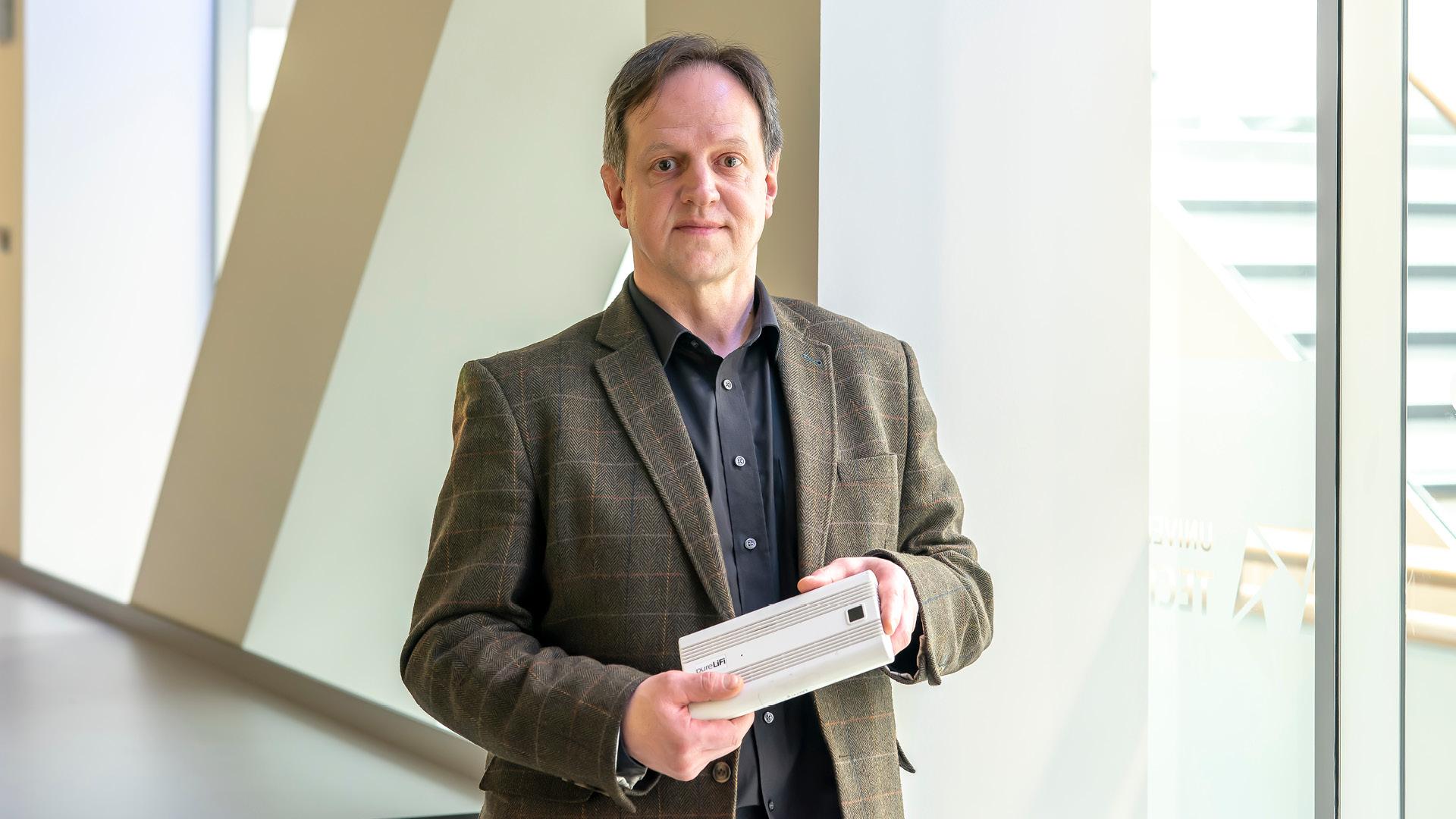
Together with his team, German professor Harald Haas invented LiFi – a mobile wireless technology that transmits data through light sources such as LEDs (Light Emitting Diodes) rather than radio frequencies.
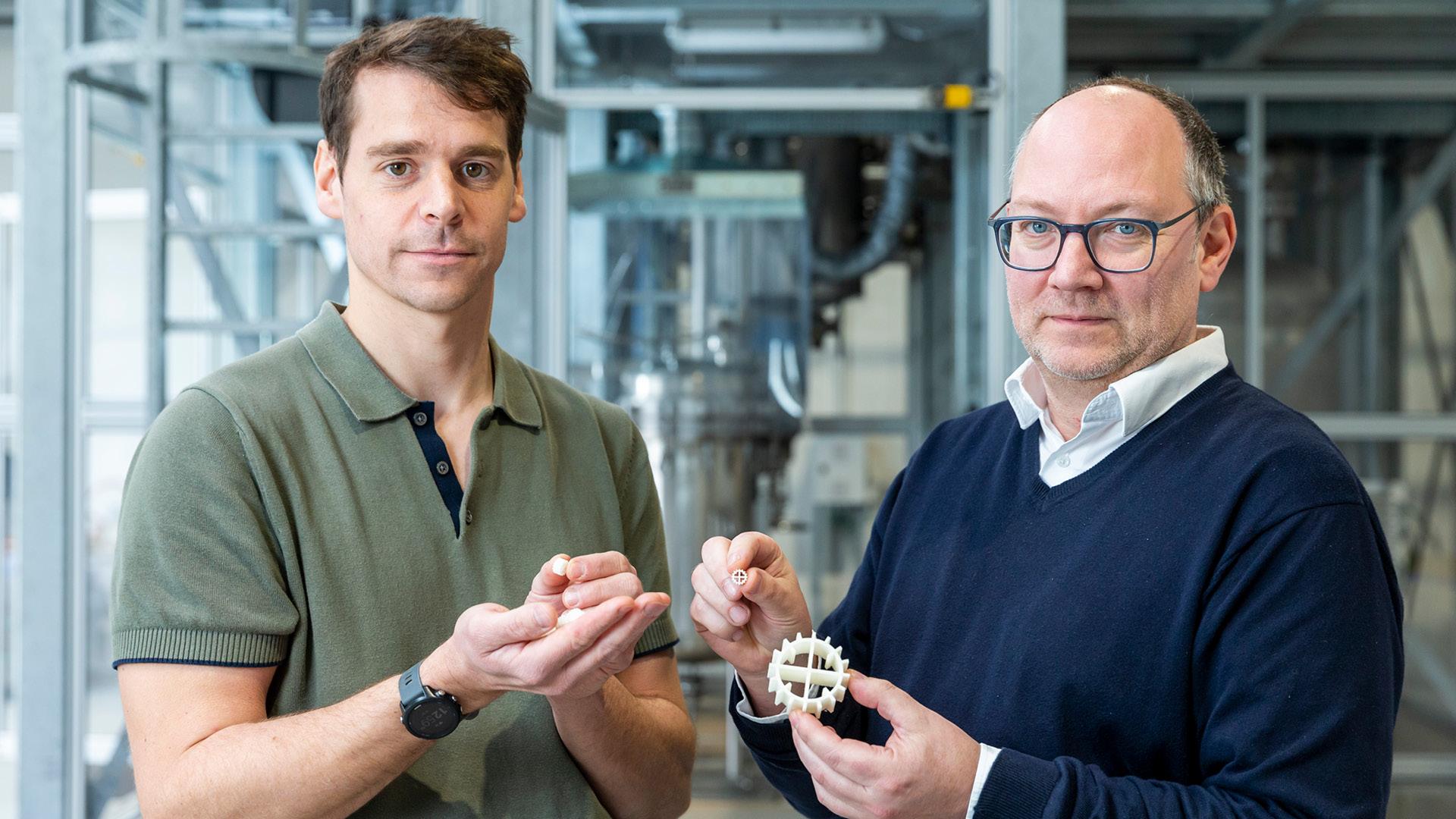
Michiel Dusselier and Bert Sels, professors at KU Leuven, developed a cheaper and more bio-friendly method to produce bioplastics that will contribute to a circular economy.
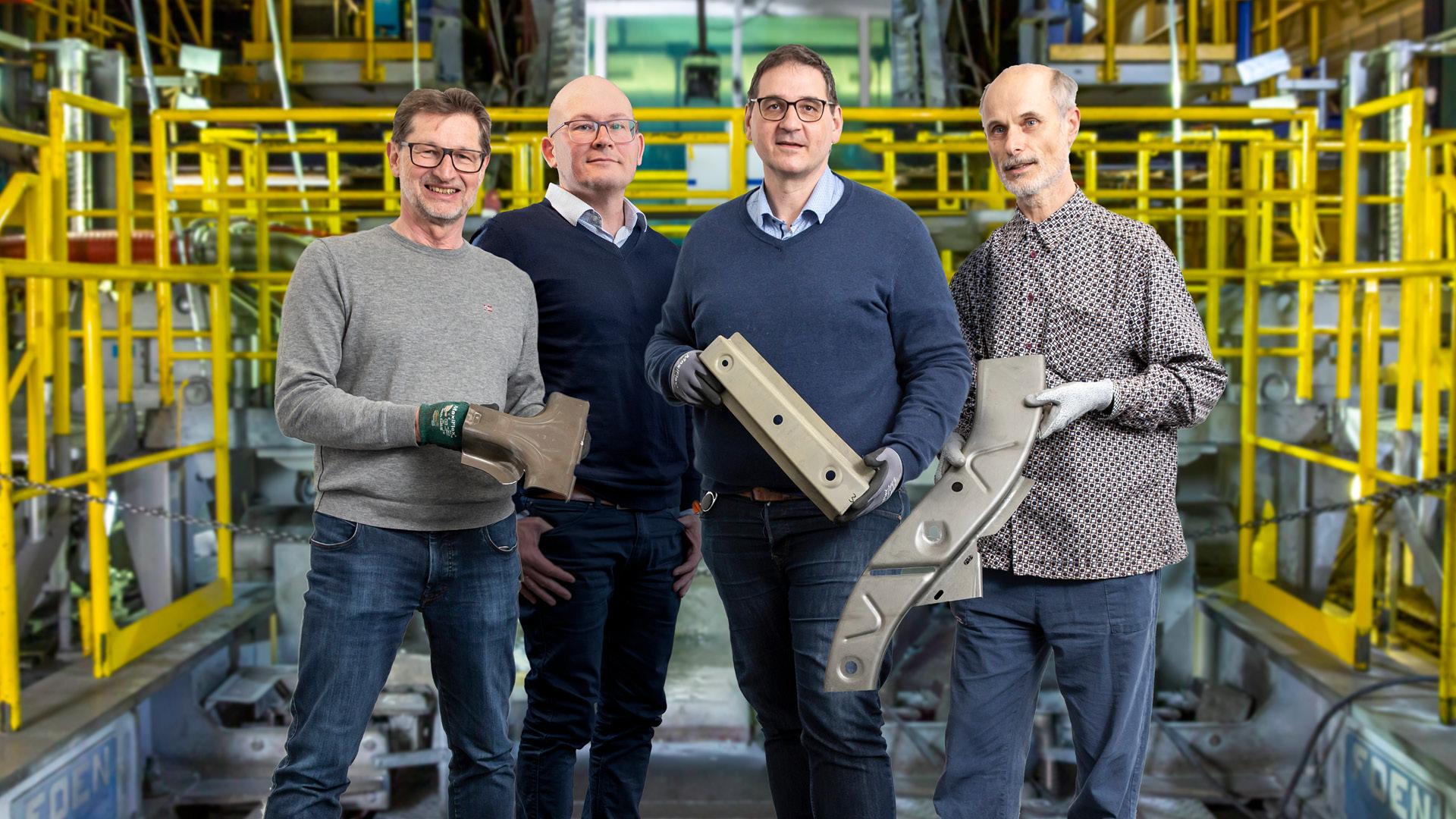
Josef Faderl, Siegfried Kolnberger, Thomas Kurz and Andreas Sommer have developed a way to manufacture lighter galvanised steel car parts up to six times stronger than those made from conventional galvanised steel.
Carbon nanotubes are ultra-small, cylindrical molecules that can only be seen under powerful microscopes, but catching a glimpse of one is like seeing into the future. Discovered by Sumio Iijima at Japan’s NEC Corporation, they are the hardest substance known to humankind and 1,000 times more conductive than copper. Carbon nanotubes could usher in a new era in which computers are faster and materials stronger than ever thought possible.